
As a traditional pillar industry in China, the textile sector has long played a pivotal role in the national economy. The industry is now advancing toward system-wide automation, workshop automation, and factory automation.
Sensors, serving as the core perceptual components of industrial intelligence, enable precise capture of dynamic parameters across all stages of textile production. They facilitate real-time collection of equipment operation data and yarn production metrics.
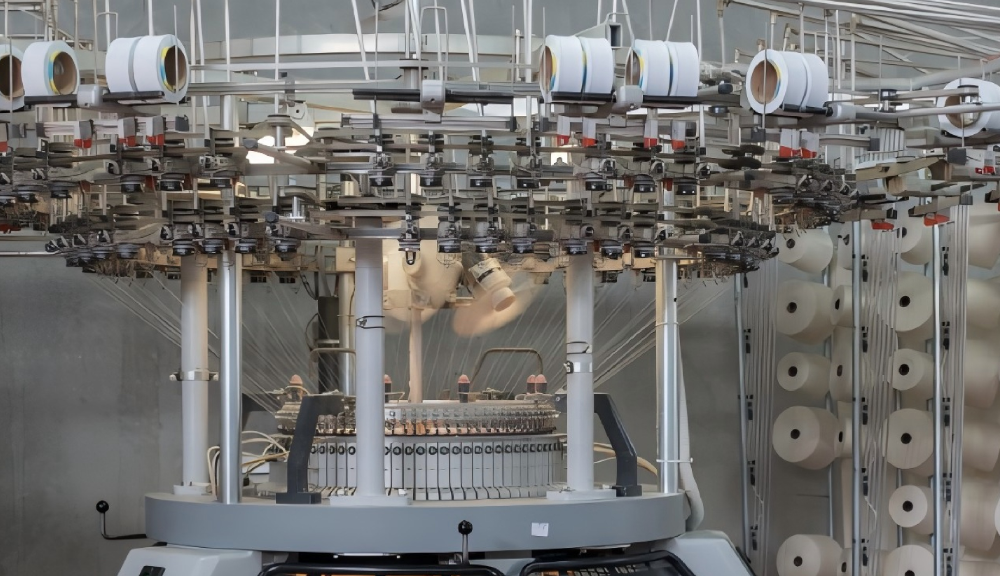
In textile processing, yarn tension control directly impacts machinery efficiency and product quality. Thus, monitoring and accurately capturing yarn tension in real time is critical to quality enhancement. Yarn tension control finds extensive application in various machines, including fancy twisting machines, spinning frames, twisters, circular knitting machines, and winding machines. The Lanbao TWC tension monitoring sensor offers a detection accuracy of FS% < 2%, a tension range of 0–300 cN, and features such as doffing indicators and yarn grade indicator lights. It also supports polarity protection and surge protection.
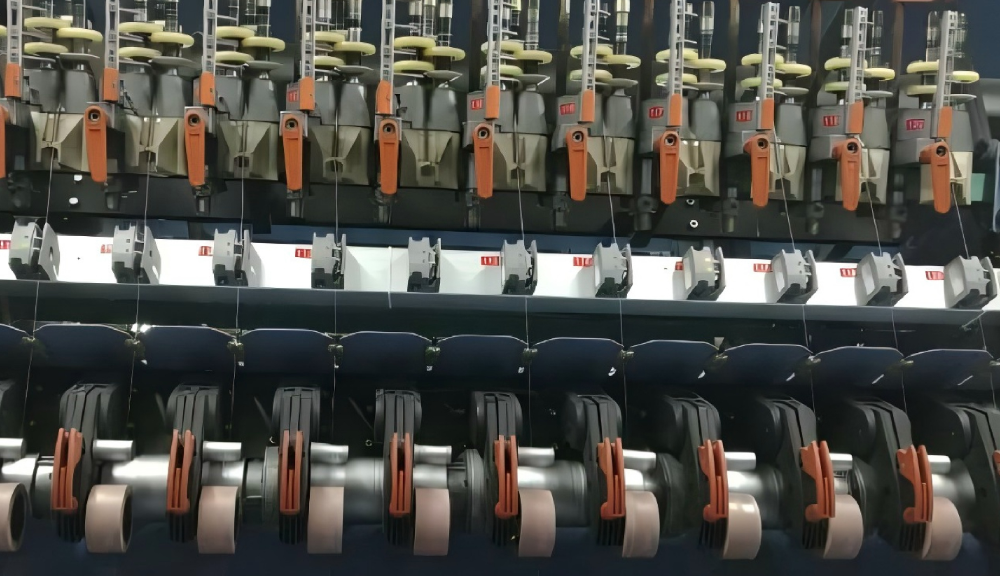
During doffing on roving and spinning frames, a new batch of bobbins must replace the fully wound ones. The Lanbao PR18/PR30 through-beam photoelectric sensors detect whether all wound bobbins have been removed during this changeover. The PR18 model offers a detection range of up to 20 meters, while the PR30 extends to 150 meters, allowing customers to select the appropriate model based on equipment length.
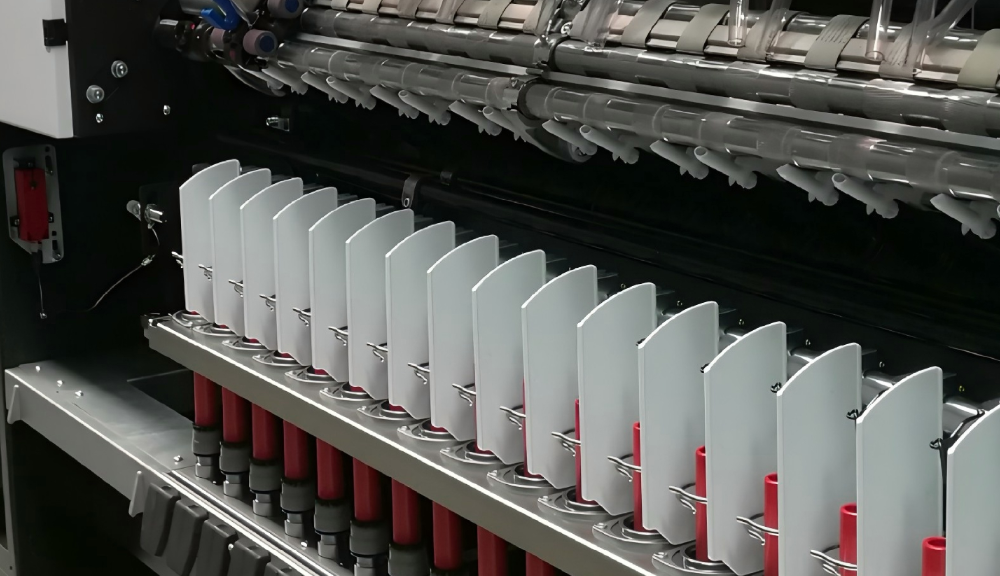
When converting roving into fine yarn on spinning frames and winding it onto bobbins, the yarn is laid onto the bobbin in a regular pattern. Throughout this process, the bobbin remains stationary while the yarn guide plate moves vertically to wind the yarn orderly. The upper and lower limits of the plate’s movement are determined by Lanbao LR12/LR18 inductive sensors. Upon detection of the plate, the sensor triggers a stop signal, prompting the plate to reverse direction.
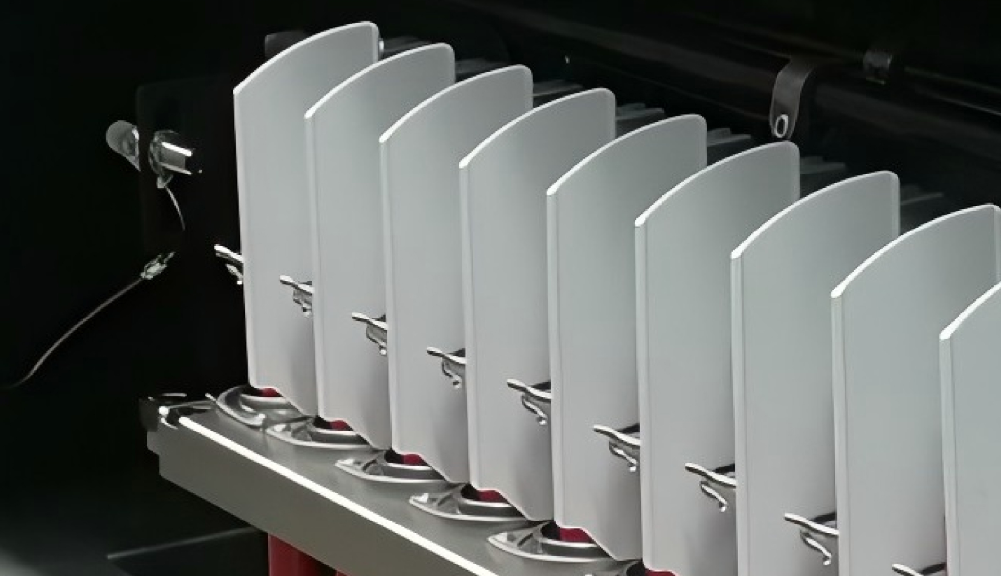
Leveraging precise physical sensing, signal conversion, and data transmission principles, Lanbao sensors cover core processes across the entire textile workflow—from spinning, sizing, and winding to texturing. From defect identification and position calibration to speed regulation and parameter monitoring, these sensors enable real-time, accurate, and automated detection of equipment status and process parameters.
They effectively address longstanding industry challenges such as frequent quality defects, significant parameter deviations, low production efficiency, high material waste, and insufficient standardization. Not only do they substantially enhance the automation and intelligence of textile manufacturing, but they also ensure consistent quality in yarn and fabric products, providing robust technical support for the high-quality development of the modern textile industry.
Post time: Jul-30-2026